Understanding Wholesale CBD Edibles Market Trends
The wholesale CBD edibles market has been experiencing substantial growth in recent years. As consumers increasingly look for natural alternatives to traditional wellness products, wholesale CBD edibles have emerged as a popular choice. This article delves into the current market trends, consumer preferences, and the remarkable benefits of offering wholesale CBD edibles within the retail landscape. By exploring what drives this burgeoning market, retailers can position themselves to take full advantage of its potential.
Current Consumer Preferences in CBD Edibles
Today’s consumers are more informed and discerning than ever before. As such, they seek products that not only entertain but also provide tangible benefits. A growing number of individuals are looking for alternatives to pharmaceuticals, which has led to an uptick in demand for edibles infused with CBD. Research indicates that a significant percentage of consumers prioritize the source of the CBD, opting for products that are derived from high-quality, organic hemp. Flavor variety also plays a pivotal role; consumers desire edibles that don’t compromise on taste, driving manufacturers to innovate with diverse flavors and ingredients.
Yes, wholesale cbd edibles come in various forms, and this diversity caters to different consumer preferences, whether that be gummies, chocolates, or beverages. Furthermore, with the need for convenience increasing, many consumers prefer ready-to-use products that easily fit into their daily routines.
Key Benefits of Offering Wholesale CBD Edibles
Retailers can benefit significantly from including wholesale CBD edibles in their inventory. First and foremost, they provide an attractive profit margin. By sourcing these products in bulk, retailers can attain favorable wholesale prices and offer competitive prices without sacrificing their profit margins. Secondly, the popularity of CBD edibles allows retailers to attract a new demographic of customers who may not be familiar with CBD oil or other hemp-derived products.
Additionally, due to the various forms of CBD edibles, retailers have the flexibility to craft a diverse product lineup that can remain appealing throughout the year, accommodating seasonal flavors and trending ingredients. This flexibility also allows them to maintain a competitive edge in a market that is continuously evolving.
Market Growth Potential for Retailers
The CBD market is estimated to continue its expansion, with edibles projected to make up a significant portion of future growth. Retailers have the opportunity to tap into this potential by actively seeking high-quality wholesale CBD edibles that align with consumer demands. In observance of trends such as increased awareness of health and wellness, the market for CBD edibles is set to flourish, and those who prepare now can reap substantial rewards.
Furthermore, the growing acceptance and legalization of hemp-derived products in various states opens new avenues for expansion and innovation. Retailers who keep abreast of these changes and adapt their product offerings accordingly will likely gain a competitive advantage.
How to Choose the Right Wholesale CBD Edibles
Selecting the right wholesale CBD edibles is essential for any retailer aiming to succeed in this growing market. It involves analyzing product quality, sourcing strategies, and pricing models to ensure that the selected products align with consumer expectations and profitability goals.
Identifying Quality Products to Stock
Quality should be at the forefront of any retailer’s sourcing strategy. Reliable suppliers will provide third-party lab test results to confirm the cannabinoid content and purity of their products. Retailers should prioritize sourcing products that adhere to stringent quality control measures to guarantee that they are offering safe, effective, and compliant products to their customers.
Opting for edibles made with natural ingredients, such as organic sweeteners and flavoring, not only boosts the overall quality but also aligns well with consumer trends favoring clean label products. Additionally, consider the packaging, as premium packaging can elevate a brand and enhance consumer trust.
Considerations for Sourcing and Pricing
When sourcing wholesale CBD edibles, retailers must evaluate potential suppliers based on their reliability, reputation, and pricing structures. Building relationships with suppliers that have proven track records is crucial. Negotiating bulk pricing options can also help in maximizing profit margins.
Retailers should conduct a competitive analysis to identify prevailing market rates for their chosen products. This approach will help in setting reasonable pricing strategies that ensure affordability while maintaining profitability. Additionally, exploring private label options can allow retailers to differentiate their offerings in a crowded marketplace while enhancing brand equity.
Popular Types of Wholesale CBD Edibles
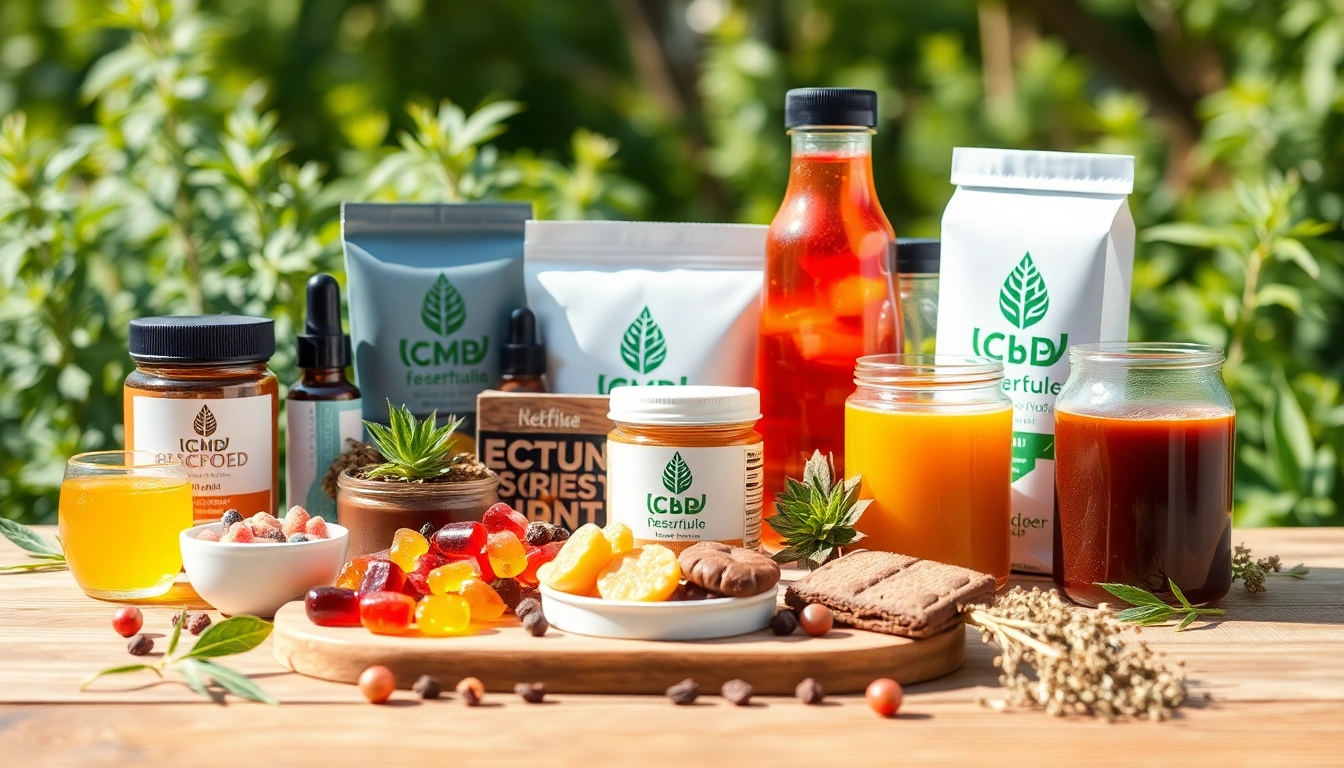
The variety within the wholesale CBD edibles market continues to expand, catering to an array of consumer preferences. The most popular formats include:
- Gummies: These remain the most recognizable form of CBD edibles due to their convenience and delightful flavors. Their chewy texture and portion control make them beginner-friendly.
- Chocolate: Infused chocolate products appeal to those who desire a sweet treat alongside their wellness regimen.
- Beverages: CBD-infused drinks are gaining traction as consumers seek alternatives to traditional soft drinks, offering hydration alongside their health benefits.
- Baked Goods: Treats like cookies and brownies infused with CBD are becoming increasingly popular among consumers looking for comfort foods.
Best Practices for Marketing Wholesale CBD Edibles
Once the product line is established, effective marketing becomes vital for increasing visibility and driving sales. Retailers must adopt robust marketing strategies that enhance brand awareness and capture the attention of potential customers.
Effective Branding Strategies for Success
Brand identity significantly influences consumer perception. Retailers should create a unique brand story that resonates with their target audience, emphasizing quality, organic ingredients, and sustainability. Consistency across all marketing channels, from packaging to online presence, fosters brand recognition and trust.
Incorporating educational content that highlights the benefits of CBD edibles can enhance customer engagement while establishing the brand as an authoritative voice in the CBD industry. Utilizing testimonials and user-generated content also cultivates a strong community atmosphere that can encourage repeat business.
Leveraging Social Media for Promotion
Social media has become an indispensable tool for marketing in the CBD sector. Platforms like Instagram and Facebook provide avenues for visually showcasing products and sharing consumer experiences. Brands should utilize eye-catching images, engaging videos, and interactive content to enhance consumer interaction.
Additionally, collaborating with influencers can amplify reach and credibility. Micro-influencers, in particular, have engaged audiences and often share authentic product experiences, making their endorsements valuable.
Creating Engaging Product Descriptions
Product descriptions play a crucial role in the consumer decision-making process. Each description should be engaging, informative, and visually appealing, emphasizing the unique selling points of the product. Utilizing clear language, informative details, and high-quality images can enhance the shopping experience.
Encouraging consumers to share their experiences through reviews and stories can also add credibility to the products, enhancing consumer trust and encouraging more sales.
Legal Considerations for Wholesale CBD Edibles
As the CBD landscape evolves, it is essential for retailers to stay informed about the ever-changing legalities surrounding CBD edibles. Navigating state and federal regulations is fundamental to maintaining compliance and minimizing risk.
Navigating State and Federal Regulations
The legislative landscape for CBD products varies significantly across states. Retailers must familiarize themselves with local regulations concerning hemp-derived products to avoid legal pitfalls. Compliance with the Food and Drug Administration (FDA) regulations, which stipulate that CBD cannot be marketed as a dietary supplement, is necessary.
Understanding the legal limits on THC content is also crucial, as exceeding these limits can result in serious penalties. Retailers should maintain up-to-date knowledge of both state and federal laws regarding the sale and distribution of CBD edibles to mitigate risk.
Labeling and Compliance Requirements
Proper labeling is more than just a legal requirement; it builds consumer trust. Labels must include crucial information such as CBD content, serving size, ingredients, and any potential allergens. Clarity in labeling ensures that consumers make informed decisions while reinforcing the retailer’s commitment to transparency.
Ensuring Product Safety and Quality Assurance
Product safety should always be a priority. Retailers should implement quality assurance protocols to verify that their products meet safety standards. Regular testing through accredited laboratories should be a part of their operational practices, ensuring that the products are free from harmful contaminants and accurately reflect the cannabinoid content advertised.
Future Innovations in Wholesale CBD Edibles
As the CBD edibles market continues to grow, innovation will play a pivotal role in shaping its future. Retailers who stay ahead of trends will be better positioned to meet consumer expectations and drive sales.
Trends Driving Product Development
Trends such as personalized products, where consumers can select tailored formulations that meet their unique needs, are gaining traction. This may involve varying cannabinoid ratios or added ingredients that target specific health concerns. Additionally, the demand for vegan and organic ingredients is continuous, given the increasing consumer focus on health and sustainability.
Impact of Consumer Feedback on New Offerings
Listening to consumer feedback will be essential for future innovations. Brands can leverage insights from reviews and social media engagement to identify gaps in their product offerings or areas for improvement. Engaging directly with consumers about what they would like to see can lead to the development of products that are more likely to resonate with the audience.
Pioneering Technologies in CBD Edibles Production
Emerging technologies will likely revolutionize how CBD edibles are produced. Innovations such as nanoemulsion technology, which improves the bioavailability of cannabinoids, are being explored to increase the effectiveness of CBD edibles. Furthermore, the use of 3D printing for customized shapes and formats of edibles can provide exciting new opportunities for product differentiation.
In conclusion, the wholesale CBD edibles market presents a wealth of opportunities for retailers willing to invest time and resources into understanding market trends, sourcing quality products, and adopting effective marketing strategies. By staying informed and adaptable, they can thrive in this dynamic industry and meet the evolving demands of consumers.