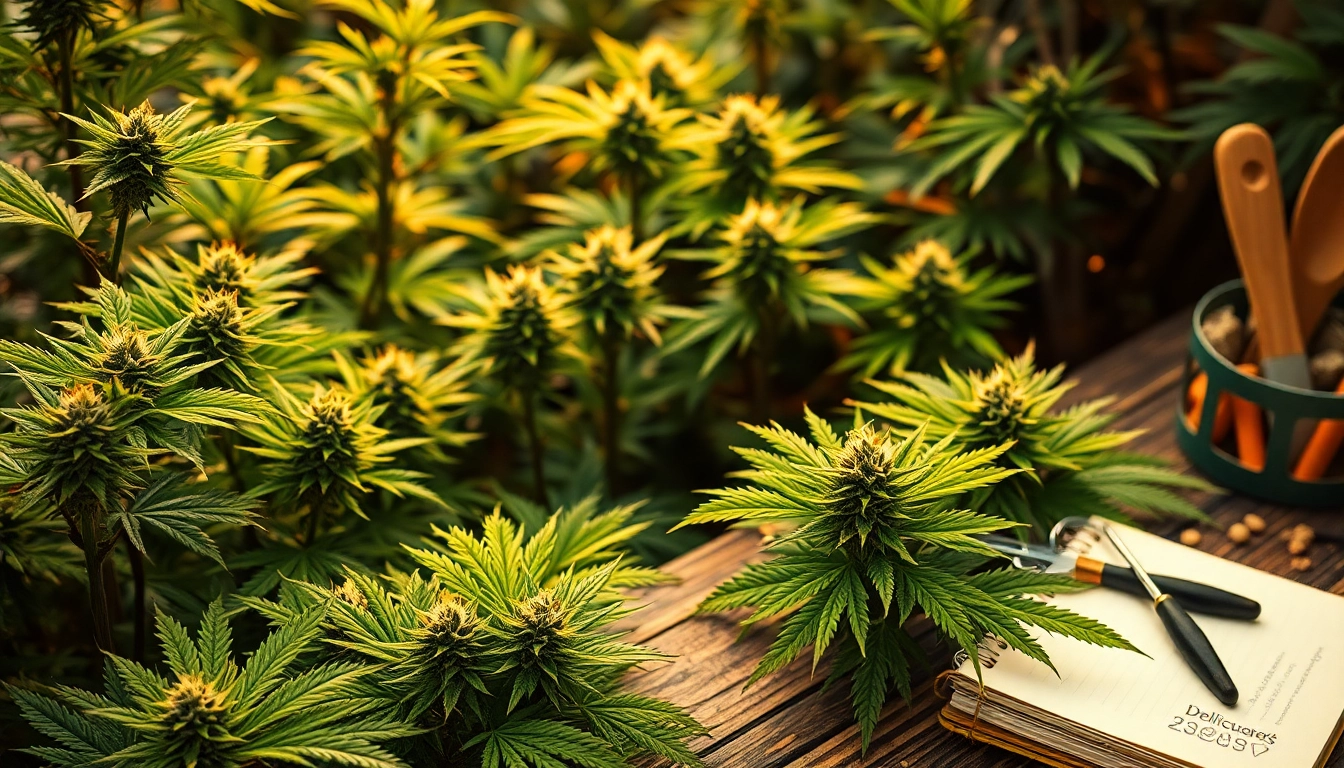
Introduction to Cannabis Clubs
The idea of a cannabis club has captured the attention of many as cannabis culture continues to evolve and gain acceptance across various regions. These clubs have emerged as unique social environments that not only provide access to cannabis but also foster community and education among members. Understanding the concept, history, and various types of cannabis clubs is essential for those interested in navigating this intriguing aspect of cannabis culture.
What is a Cannabis Club?
A cannabis club, often referred to as a cannabis social club, is a private organization where members can collectively cultivate and consume cannabis in a safe and legally compliant environment. Unlike traditional cannabis dispensaries, which operate on a for-profit basis, most cannabis clubs function as non-profit organizations. They primarily exist to serve their members rather than to maximize profits.
Members typically pay a fee to join, gaining access to a controlled environment where they can share resources, knowledge, and products. This structure contrasts with the often commercialized experience found at public dispensaries, promoting a sense of community and belonging among users.
History and Evolution of Cannabis Clubs
The concept of cannabis clubs has its roots in the cannabis culture of the early 2000s, particularly in Spain, where the first social clubs emerged in response to restrictive cannabis laws. These clubs allowed individuals to cultivate cannabis legally for personal use, providing a safe space for users to connect and share their experiences.
As legalization movements gained momentum, the model of cannabis clubs began to spread globally. Various countries adopted different frameworks for cannabis use, leading to the establishment of clubs that catered to the unique legal landscapes of their regions. As a result, the cannabis club model has evolved significantly, incorporating aspects of community engagement, education, and advocacy efforts aimed at destigmatizing cannabis use.
Types of Cannabis Clubs
Several types of cannabis clubs exist, each tailored to the needs and preferences of their members. Some common types include:
- Medical Cannabis Clubs: These clubs primarily serve individuals who use cannabis for medicinal purposes. They often provide access to various strains and products specifically for therapeutic use, along with educational resources on managing health conditions.
- Recreational Cannabis Clubs: Focused on recreational use, these clubs provide a social setting where members can enjoy cannabis together, often accompanied by events and activities that encourage communal enjoyment.
- Educational Cannabis Clubs: These clubs aim to educate their members about cannabis cultivation, consumption methods, and the benefits of cannabis. Workshops, seminars, and expert talks are common offerings.
- Hybrid Cannabis Clubs: Combining recreational and educational facets, hybrid clubs offer a range of activities, from casual consumption to informative sessions on cannabis-related topics.
Legal Landscape of Cannabis Clubs
Understanding the Legality of Cannabis Clubs
Understanding the legal framework surrounding cannabis clubs is crucial, as it directly affects how these organizations operate. While some regions have embraced the cannabis club model, others maintain strict laws against such setups. In many jurisdictions, cannabis clubs operate under specific legal guidelines that define their membership, product handling, and cultivation practices.
In areas where cannabis is legalized, clubs must adhere to local regulations, which can include restrictions on plant counts, sales, and public consumption. Often, participating members are required to agree to specific terms that align with these legal stipulations.
State Regulations and Compliance
State regulations play a significant role in the establishment and operation of cannabis clubs. In the United States, for example, different states have varying laws regarding cannabis use, cultivation, and distribution. In states where cannabis is legalized for recreational use, the legal landscape may support the existence of cannabis clubs more robustly than in states where it remains illegal.
Compliance with local laws ensures that cannabis clubs can continue to operate without facing legal repercussions. Clubs must remain informed about any changes to regulations, which can affect their ability to function, from membership criteria to the types of products they can provide.
Membership Requirements and Guidelines
Joining a cannabis club typically involves meeting specific membership requirements set forth by the club’s governance. These often include age restrictions, residency requirements, and adherence to the club’s code of conduct. Prospective members may need to provide proof of identification, as many clubs operate under the principle of only allowing adults to participate.
Guidelines may also cover the personal cultivation of cannabis, respectful behavior within the club, and other related activities to maintain a safe environment for all members. Such regulations serve to foster a responsible and respectful atmosphere that aligns with the club’s mission and values.
Benefits of Joining a Cannabis Club
Access to Exclusive Products
One of the primary benefits of joining a cannabis club is access to exclusive products that may not be available at traditional dispensaries. Cannabis clubs often curate a selection of high-quality strains, edibles, and concentrates tailored to their members’ preferences.
Members may enjoy unique offerings that include homegrown varieties or specialty products crafted by fellow members. Such exclusivity enhances the overall experience, allowing members to experiment with new products in a community setting.
Community and Socialization
Cannabis clubs serve as vital community hubs, providing spaces for social interaction and connection among like-minded individuals. The communal aspect of these clubs is invaluable, as it promotes networking, friendships, and camaraderie among members.
Social events, gatherings, and group activities allow members to meet, share experiences, and learn from one another. This sense of belonging is particularly significant for individuals who may feel isolated in their cannabis use in broader society.
Education and Events
Educational opportunities abound within cannabis clubs. Workshops, seminars, and special events often cover various topics, from cultivation techniques to the health benefits of cannabis. These informative sessions empower members to become more knowledgeable consumers and responsible users.
By prioritizing education, cannabis clubs help demystify the cannabis experience and provide members with resources to make informed decisions regarding their use and cultivation practices.
Operational Models of Cannabis Clubs
Non-Profit vs. For-Profit Models
Cannabis clubs generally operate under a non-profit model, focusing on serving their members rather than accumulating profits. This operational structure establishes a different community vibe compared to traditional businesses prioritizing financial gains.
In non-profit models, any surplus funds are often reinvested back into the club to enhance facilities, organize more educational events, or develop new programs for members. This reinforces the club’s commitment to its mission of fostering a community rather than merely conducting transactions.
Membership-Based Access
The membership-based access model is pivotal to the cannabis club concept. Only registered members can benefit from the club’s resources, ensuring a safe and controlled environment for cannabis consumption and education.
This model also engenders a sense of responsibility among members, who are more accountable for their actions within the club. It fosters a community where users can rely on each other for support and guidance.
Community Focus and Impact
Cannabis clubs prioritize community engagement and social responsibility. Many clubs actively participate in local initiatives, educating the public about cannabis, engaging in advocacy efforts, and encouraging responsible use.
Through these community-focused efforts, cannabis clubs contribute positively to their neighborhoods and help reshape perceptions surrounding cannabis culture. This commitment to community impact enhances the clubs’ reputations and fosters goodwill among members and the general public.
Future Trends in Cannabis Clubs
Growth of Cannabis Clubs Worldwide
The future of cannabis clubs appears promising, with trends indicating growth across the world. As more regions legalize cannabis for both medical and recreational use, the demand for cannabis clubs is likely to increase.
New social models are emerging, driven by changing public perceptions of cannabis and a desire for community among users. This growth reflects a broader acceptance of cannabis culture, as individuals seek safer and more social avenues for consumption.
Technological Innovations in Cannabis Clubs
Advancements in technology are poised to influence the operational efficiency and community experience within cannabis clubs. From online membership applications to digital platforms for educational resources and product reviews, technology can enhance connectivity among members.
Future innovations may include virtual reality experiences for educational purposes, advanced strain databases, and digital community boards to facilitate better communication and collaboration among members.
The Role of Cannabis Clubs in Advocacy
Cannabis clubs are increasingly taking on advocacy roles to promote responsible use and support legalization efforts. Many clubs engage in campaigns aimed at educating the public about the benefits of cannabis, lobbying for better laws, and providing resources to combat stigmas associated with cannabis use.
Through these efforts, cannabis clubs not only serve their members but also contribute to broader social change, challenging outdated perceptions and promoting a more informed dialogue around cannabis culture.
Frequently Asked Questions
Are cannabis clubs legal?
Legality varies by region. In areas with legalized cannabis, many clubs operate legally, while in other places, they may not be permitted.
What is the difference between cannabis clubs and dispensaries?
Cannabis clubs are typically non-profit, member-based organizations, while dispensaries are commercial operations focusing on retail sales.
How does a cannabis club work?
Members join the club to collectively grow and consume cannabis. Clubs may host educational events and activities to promote knowledge and community.
What types of events do cannabis clubs host?
Events may include educational workshops, social gatherings, and recreational activities. These help foster community and provide learning opportunities.
Can anyone join a cannabis club?
Membership often requires meeting specific criteria, such as age and residence, and agreeing to the club’s guidelines and code of conduct.