
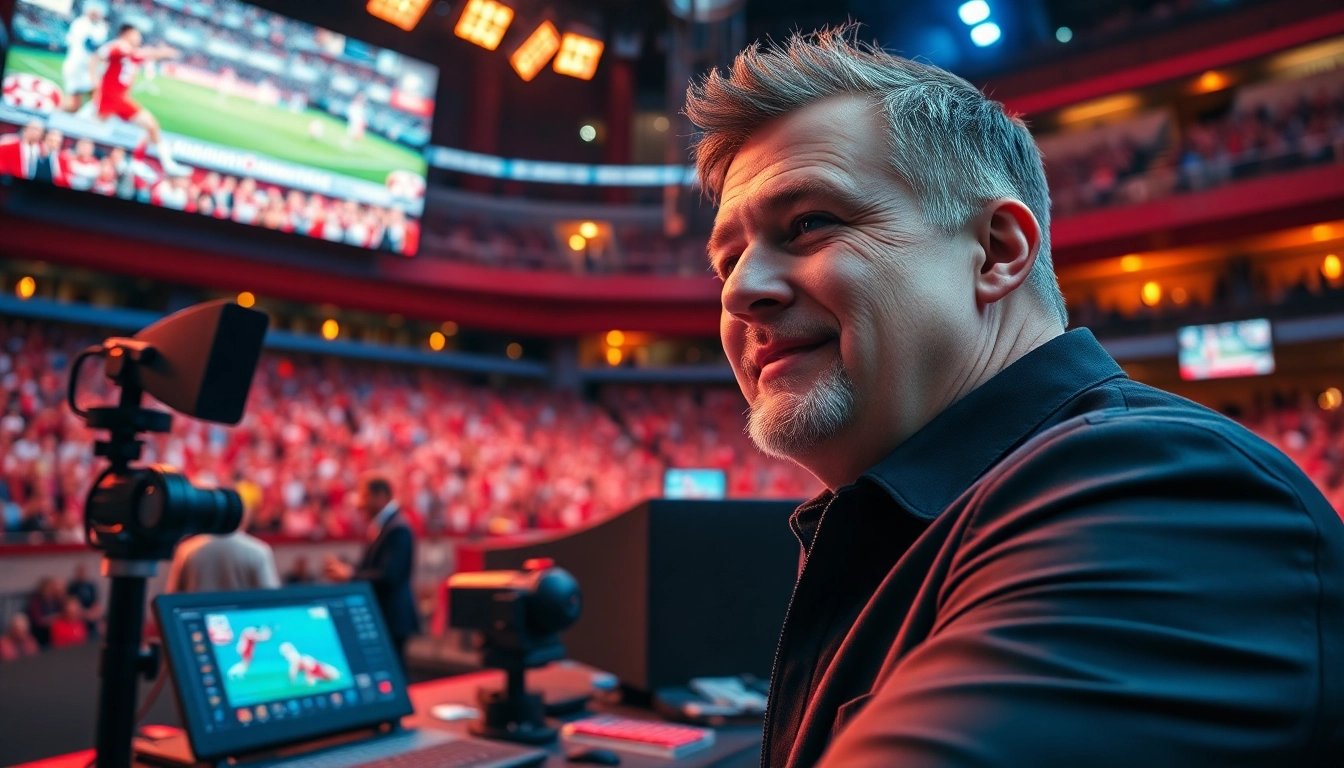
Understanding Sports Broadcasting Fundamentals
Defining Sports Broadcasting
Sports Broadcasting is the transmission of live sports events and related content to audiences through various mediums, including television, radio, and online streaming platforms. It serves to connect fans with the sports they love, offering live play-by-play commentary, analysis, and in-depth statistics. As audiences have evolved, so too have methods of delivery, seamlessly integrating Sports Broadcasting with technology to enhance viewer experience.
The Role of Technology in Sports Broadcasting
Technology is at the core of modern Sports Broadcasting, driving innovations that continually reshape how fans consume content. From high-definition video to virtual reality experiences, advancements allow viewers to feel closer to the action than ever before. Live streaming has surged in popularity, catering to an on-demand culture while fostering accessibility across multiple devices. Additionally, enhanced graphics and real-time analytics provide enhanced viewing experiences, helping audiences understand the intricacies of the game like never before.
Types of Sports Broadcasting Channels
Sports Broadcasting is delivered through various channels, each catering to specific audience needs and preferences:
- Television Broadcasts: Traditional networks deliver live sports events, including commentary and analysis, reaching broad audiences.
- Online Streaming Services: Platforms like social media and dedicated streaming companies offer flexible viewing options, allowing audiences to watch events on the go.
- Radio Broadcasting: Provides audio-only coverage for fans who prefer commentary while on the move, often accompanied by engaging talk shows.
- Podcasting: A growing medium, podcasts allow for in-depth analysis, interviews, and discussions centered on sports events and personalities.
Essential Skills for Sports Broadcasters
Communication Skills for Effective Engagement
Effective communication is paramount in Sports Broadcasting. Broadcasters must articulate thoughts clearly, convey emotions, and engage audiences through their presentation. The ability to capture the excitement of a play or the tension of a close game requires voice modulation and passionate delivery. Additionally, engaging with the audience through social media enhances viewer experience and builds community.
Technical Knowledge of Broadcasting Equipment
A proficient sports broadcaster must have a firm grasp of the technical aspects of broadcasting. This includes understanding cameras, microphones, and other audio-visual equipment to ensure high-quality transmissions. Knowledge of editing software and live streaming platforms also plays an important role, as broadcasters must adapt quickly to changing situations during live events.
Storytelling Techniques in Sports Broadcasting
Storytelling is an art that elevates Sports Broadcasting beyond mere play-by-play coverage. Broadcasters must weave narratives that resonate with audiences, connecting them emotionally to the sport. Techniques include highlighting player backstories, analyzing statistics that reflect changes in game dynamics, and drawing parallels with historical moments. This narrative-driven approach keeps fans invested and engaged throughout the broadcast.
Best Practices in Sports Broadcasting
Audience Engagement Strategies
Engaging the audience in Sports Broadcasting is critical for growing viewership. Effective strategies include leveraging social media for real-time interaction, conducting live polls, and featuring fan commentary during broadcasts. Utilizing viewer-generated content, like hashtags or fan tweets, also fosters community involvement, creating a two-way conversation and enhancing the overall broadcasting experience.
Maintaining Broadcasting Ethics
High ethical standards are crucial in Sports Broadcasting. Broadcasters must ensure accuracy in reporting, avoid conflicts of interest, and deliver unbiased commentary. Upholding player privacy and respecting the wishes of participants in live coverage is also paramount. Ethical practices build trust among audiences and maintain the credibility of the broadcaster.
Scheduling and Planning Live Events
Successful Sports Broadcasting requires meticulous planning and organization. Key considerations include the selection of events, coordination with leagues and teams, and the timing of broadcasts to maximize viewership. Creating a content calendar can help streamline promotional efforts, ensuring audiences are informed of upcoming events. Broadcasters must also account for contingency plans in case of delays or unexpected changes.
The Future of Sports Broadcasting
Impact of Digital Media on Sports Broadcasting
The rise of digital media is revolutionizing Sports Broadcasting. Platforms such as social media have become substantial channels for live updates, behind-the-scenes content, and expanded coverage. Fans expect more interactive experiences, including augmented reality enhancements that immerse viewers in the experience of sports. As digital consumption rises, traditional broadcasting must adapt to these changes to stay competitive.
Emerging Trends in Audience Consumption
Current trends indicate that audiences are gravitating towards customizable viewing experiences. Services offering multiple camera angles, instant replays, and interactive statistics cater to this desire for personalization. The demand for on-demand content, including highlights and analysis, is rapidly growing, resulting in a need for a varied content strategy to capture diverse viewership preferences.
Adapting to Technological Advancements
As technologies continue to evolve, Sports Broadcasting faces the challenge of integrating new tools and platforms effectively. Broadcasters need to stay ahead of industry trends by investing in advanced equipment and training programs. This adaptability ensures that they can deliver the highest quality of service to audiences while embracing innovations like 5G technology, which promises to enhance live streaming experiences.
FAQs about Sports Broadcasting
What is Sports Broadcasting?
Sports Broadcasting involves delivering live sports events and commentary to audiences through various platforms like TV, radio, and online streaming.
What skills are essential for a sports broadcaster?
Key skills include excellent communication, technical knowledge of equipment, and strong storytelling abilities to engage viewers effectively.
How has technology changed sports broadcasting?
Technology has enhanced sports broadcasting with high-definition video, live streaming capabilities, and interactive audience engagement tools.
What are common ethical issues in sports broadcasting?
Common ethical issues include maintaining accuracy in reporting, avoiding biased commentary, and respecting player privacy during live coverage.
What should I consider when planning a sports broadcast?
Consider factors such as the target audience, timing, technological needs, and potential guest appearances to ensure a successful broadcast.