Understanding Female Cannabis Genetics
In the evolving world of cannabis cultivation, understanding female cannabis genetics is paramount for growers who seek to maximize yields and quality. Feminised cannabis seeds have gained significant traction due to their reliability in producing female plants, thus eliminating the uncertainty associated with traditional seeds. This guide delves into the intricacies of feminised seeds, their benefits, and their role in modern horticulture.
What Are Feminised Cannabis Seeds?
Feminised cannabis seeds are specially bred to produce predominantly female plants, which are the ones that yield the cannabinoid-rich flowers that growers desire. The production process typically involves using pollen from a female plant to fertilize another female plant, ensuring that the resulting seeds carry a much higher likelihood of developing into female plants—approximately 99.9%. This method of feminisation takes advantage of the XX and XY sex-chromosome system prevalent in cannabis, ensuring that cultivators can focus their resources on high-yield, flower-producing crops.
The Science Behind Feminisation
The science of feminisation relies on manipulating the genetic makeup of cannabis plants. Breeders induce stress in female plants to produce pollen, which is then used to fertilize another female. This process eliminates the need for male plants, which do not contribute to the production of desirable flowers. The genetic makeup of feminised seeds allows growers to plan their crop more effectively, significantly reducing the need for plant identification and sexing, which can be a cumbersome process.
Genetic Traits of Feminised Seeds
Feminised seeds can exhibit various traits depending on the breeding techniques used. These can include:
- Photoperiod Sensitivity: Some feminised seeds require a specific light cycle to flower.
- Autoflowering Capability: Others may flower automatically after a certain growth period regardless of light conditions.
- Unique Aromatic Profiles: Different strains offer distinct terpene profiles, impacting aroma and flavor.
Understanding these traits helps growers select the best feminised seeds for their particular growing conditions and objectives.
Benefits of Growing Feminised Seeds
Choosing to grow feminised seeds comes with a plethora of advantages that cater to both novice and experienced cultivators.
Higher Yield with Predictable Sex Expression
One of the primary reasons growers opt for feminised seeds is the predictability they offer. With a near-guaranteed female-to-male ratio, cultivators can optimize their yields by ensuring that virtually all cultivated plants will produce flowers. This predictability translates to higher overall production and less waste, as fewer plants will need to be culled for being male.
Space Efficiency in Cultivation
Feminised seeds allow for better space management in both indoor and outdoor setups. Since growers can allocate their space solely to female plants, they can maximize their usage of area and resources. This efficiency not only encourages better growth but also enables growers to experiment with various strains without the risk of male plants taking up valuable room.
Reducing Male Plants in Cultivation
By utilizing feminised seeds, cultivators can significantly decrease the number of male plants in their crop. Male cannabis plants do not produce the desirable flowers and can ruin entire crops if allowed to pollinate females. With feminised seeds, this risk is substantially mitigated, simplifying the cultivation process and improving overall efficiency.
Feminised vs Regular vs Autoflower Cannabis Seeds
Understanding the differences between feminised, regular, and autoflower seeds is crucial for effective cannabis cultivation. Each type serves distinct purposes and involves unique growing methodologies.
Major Differences Explained
Regular seeds offer a 50% chance of producing male and female plants, while autoflower seeds automatically transition to the flowering phase based on age rather than light cycles. Feminised seeds, on the other hand, are engineered to eliminate male plants entirely. This distinction allows growers to select seeds that align with their cultivation goals, whether they seek variety or reliability.
Choosing the Right Seed Type for Your Needs
The decision between feminised, regular, and autoflower seeds should be based on several factors, including:
- Desired Yield: For consistent flower production, feminised seeds are the best choice.
- Growing Conditions: Autoflower seeds can be ideal for growers with fluctuating light conditions.
- Experience Level: Beginners may find feminised seeds easier to manage.
Common Myths and Misconceptions
Despite their benefits, misconceptions about feminised seeds persist. Some believe that feminised seeds are less potent than regular seeds or that they may lead to hermaphrodites. However, when sourced from reputable breeders, feminised seeds can be as potent, if not more so, than their regular counterparts, delivering high-quality yields without the complications of gender management.
Best Practices for Cultivating Feminised Cannabis
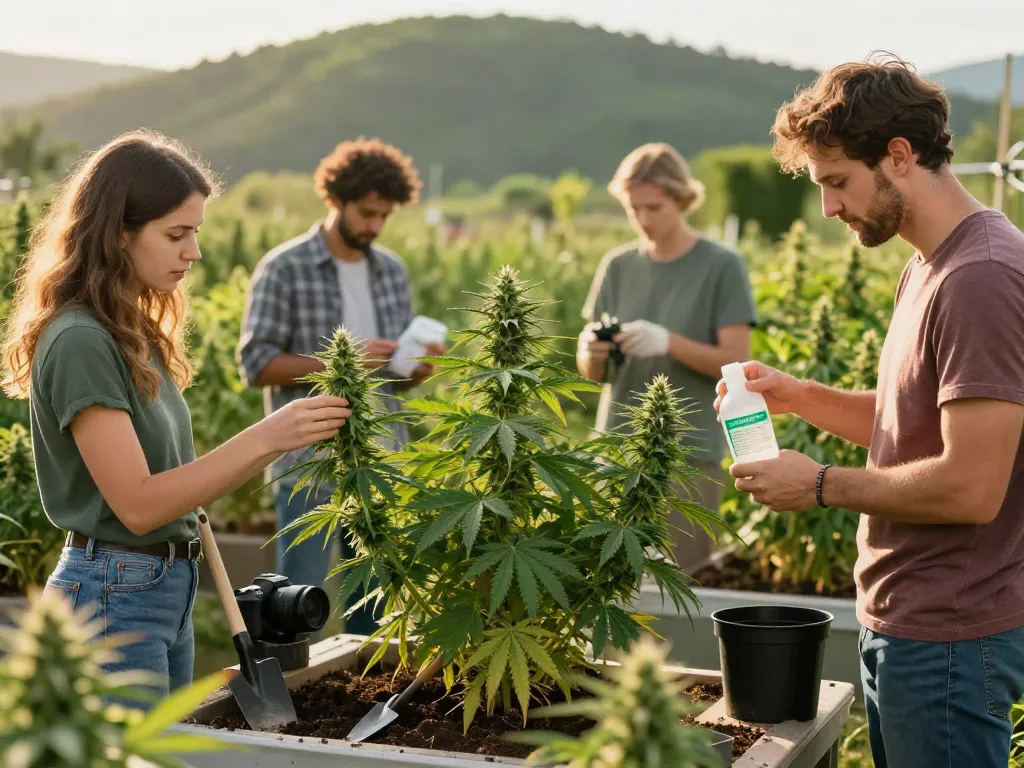
Growing feminised cannabis successfully involves several best practices that cater to the unique characteristics of these seeds.
Optimal Growing Conditions
Feminised cannabis thrives in environments that provide:
- Consistent temperature ranges, ideally between 70-85°F (21-29°C).
- Proper humidity levels, around 40-60% during the vegetative stage.
- A nutrient-rich growing medium that meets the plant's specific needs.
Tailoring your environment enhances the growth and yields of feminised plants significantly.
Common Growing Challenges and Solutions
While feminised cannabis is generally more forgiving, challenges can arise. Common issues include:
- Nutrient Deficiency: Regularly monitor nutrient levels to avoid deficiencies which can stunt growth.
- Pest Infestations: Implement integrated pest management strategies to prevent damage.
- Environmental Stress: Protect plants from extreme temperature fluctuations to ensure optimal development.
Measuring Success: What to Look For
Successful cultivation of feminised cannabis can be measured by several indicators, including:
- Height and vigor of plants.
- Quality and quantity of flower production.
- Overall health of the plants, free from pests and diseases.
Regular assessments of these factors will help growers identify areas for improvement.
Future Trends in Feminised Cannabis Genetics
The cannabis industry is continuously evolving, and so are the genetics of feminised seeds. Understanding the trends can position growers at the forefront of innovation.
Emerging Strains and Varieties in 2026
As 2026 approaches, new strains developed for even higher yields and specialized cannabinoid profiles are emerging. Breeders are focusing on enhancing resilience against diseases and pests while improving flavor and potency. This evolution ensures that feminised seeds continue to meet the diverse needs of growers across various environments.
The Role of Technology in Cannabis Breeding
Advancements in technology are significantly impacting cannabis breeding. Techniques such as CRISPR gene editing and tissue culture are being explored to create superior feminised seeds. These technologies enable breeders to enhance traits such as potency, flavor, and resistance to environmental stresses.
Legal Considerations and Market Dynamics
As legalization efforts continue to spread across different regions, understanding the legal framework surrounding cannabis cultivation is paramount. Growers must stay current with local regulations regarding feminised seeds to ensure compliance and leverage market opportunities effectively.
How to Tell a Male from a Female Cannabis?
Identifying the gender of cannabis plants is essential for successful cultivation. Female cannabis plants can be recognized by their characteristic white hairs (pistils) that emerge at the nodes, while male plants develop small pollen sacs. This early identification can help growers eliminate male plants before they pollinate the females.
How Do I Feminise My Seeds?
To feminise seeds, growers can stress female plants chemically or through other means to produce pollen. This pollen is then used to fertilize other female plants, resulting in feminised seeds. This method requires precision and understanding of the plants' physiology to achieve successful outcomes.
Can You Still Smoke Buds That Have Turned Hermaphrodite?
While hermaphroditic buds can be smoked, they typically contain seeds which may diminish the quality of the smoking experience. It’s advisable to try to prevent hermaphroditism through proper cultivation practices and stress management.
How to Tell if Your Female Plant Has Been Pollinated?
Signs that a female cannabis plant has been pollinated include the formation of seeds inside the buds. Growers should regularly monitor their plants, especially during the flowering stage, to ensure no unwanted fertilization occurs, as it can affect yield and potency.
Best Practices for Indoor Growing of Feminised Seeds?
Indoor growing of feminised seeds should follow specific best practices, including maintaining optimal light cycles, regular nutrient feeding, and addressing environmental factors such as temperature and humidity. Utilizing advanced growing technologies like LED lighting and automated irrigation systems can also enhance indoor cultivation results.