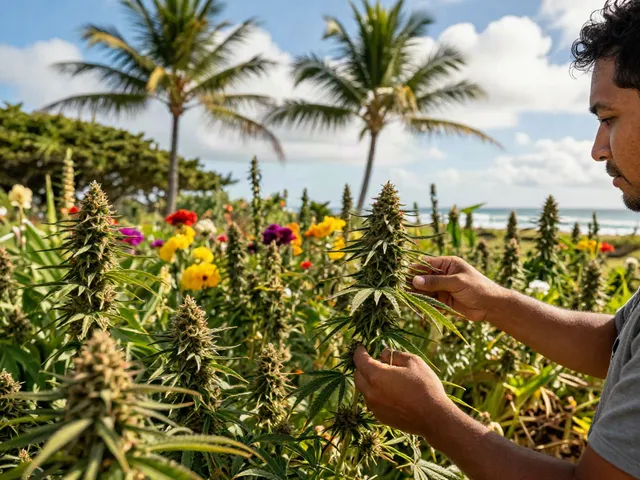
Understanding the Health Benefits of Cannabis
Cannabis has garnered significant attention for its potential health benefits, catalyzing a shift in how many perceive this once-stigmatized plant. With research uncovering a range of therapeutic applications, cannabis is more than just a recreational drug; it has become a focal point for those seeking natural remedies for various ailments. Understanding its benefits is essential not only for users but for healthcare professionals, caregivers, and policymakers alike.
When exploring options, Cannabis FAQ provides comprehensive insights into the many facets of cannabis, including its uses, safety, and legal considerations.
What are the therapeutic applications of cannabinoids?
Recent studies suggest cannabinoids, such as CBD (cannabidiol) and THC (tetrahydrocannabinol), may help manage a variety of conditions. Research emphasizes their effectiveness in alleviating chronic pain, reducing inflammation, and promoting relaxation. Conditions such as arthritis, epilepsy, and even mental health disorders like anxiety and PTSD are being treated with cannabinoid therapies, showcasing their broad therapeutic potential.
How does cannabis promote relaxation and reduce anxiety?
One of the most discussed benefits of cannabis is its ability to promote relaxation and alleviate anxiety. CBD, in particular, interacts with the endocannabinoid system (ECS), which plays a critical role in regulating mood and emotional responses. Preliminary studies have shown that CBD can significantly reduce anxiety levels and improve overall mood by enhancing serotonin signaling and decreasing hyperarousal. However, it’s essential to choose the right product and dosage to avoid unwanted psychoactive effects often linked to THC.
Research findings on cannabis for pain relief and inflammation
Numerous studies have highlighted cannabis's anti-inflammatory properties, making it a promising option for individuals suffering from chronic pain conditions. A notable randomized, controlled trial indicated that patients using cannabis extracts experienced considerable pain relief, demonstrating a more favorable risk-benefit profile compared to traditional pain medications. As research continues, cannabis’s role in pain management is likely to grow, potentially paving the way for safer alternatives to opioids.
Different Types of Cannabis Products Available
Comparing oils, edibles, and topicals: which works best?
Cannabis products come in various forms, including oils, edibles, and topical applications, each offering unique benefits. Cannabis oils and tinctures provide fast-acting effects, making them suitable for those needing quick relief. Edibles, such as gummies and baked goods, provide longer-lasting effects but may take longer to onset due to the digestive process. Topicals are preferred for localized relief and are ideal for conditions like arthritis or muscle pain, as they infuse cannabinoids directly into affected areas.
Vaping vs. traditional methods: Pros and cons of each
Vaping has gained popularity for its ability to deliver cannabinoids efficiently through the lungs, resulting in rapid onset times. It is often seen as a healthier alternative to smoking due to the absence of harmful byproducts produced by combustion. However, traditional methods like smoking or edibles offer unique experiences and benefits, such as longer-lasting effects in the case of edibles. Choosing the appropriate method often hinges on personal preferences and specific health needs.
Focus on quality: How to choose lab-tested CBD products
When selecting CBD products, ensuring quality through third-party testing is paramount. Look for products that provide Certificates of Analysis (COAs), which validate their ingredient lists and ensure they meet claimed potency levels. High-quality products often indicate compliance with Good Manufacturing Practices (GMP), ensuring product safety and efficacy. Using third-party lab-tested products allows consumers to verify the absence of harmful contaminants, including pesticides, heavy metals, and solvents.
Dosage Guidelines for Cannabinoid Consumption
How to calculate your ideal CBD dosage?
Determining the proper dosage when using CBD can be challenging, as it varies significantly based on individual factors such as weight, metabolism, and health concerns. A common approach is to start low and gradually increase dosage until the desired effects are achieved. Many practitioners recommend beginning with a baseline dose of 5-10 mg of CBD and adjusting as necessary.
Titration methods for effective usage experiences
Titration involves systematically increasing the dosage of CBD to establish an optimal level that produces desired effects without adverse effects. For those new to cannabis, maintaining a symptom diary can be beneficial in tracking how different dosages affect their condition, allowing for informed adjustments over time.
Adjusting dosages based on product type and delivery method
The delivery method significantly impacts the appropriate dosage. For example, sublingual oil tinctures typically have higher bioavailability than edibles, necessitating different dosing strategies. Additionally, the duration of effects varies; for instance, edibles can last longer than inhaled products. Thus, understanding each method's pharmacokinetics is crucial for effective use.
Legal Considerations for Cannabis Use in 2026
State-by-state regulations: Understanding cannabis legality
The legal status of cannabis varies across the United States, with some states fully legalizing recreational and medicinal use, while others maintain strict prohibitions. Users must stay informed about local laws to avoid legal repercussions. The 2018 Farm Bill allowed the legality of hemp-derived products with a THC content of 0.3% or less federally, but individual states can impose stricter regulations.
Medical vs. recreational cannabis: What you need to know
In states where cannabis is legal, there are often distinctions between medical and recreational use, affecting age restrictions, possession limits, and product availability. Medical cannabis typically requires a prescription and might provide higher potency options, while recreational users may face different guidelines. Understanding these nuances is vital for compliant usage.
The role of the FDA and updates on cannabis product regulation
The FDA continues to evaluate cannabis-related products in terms of safety and efficacy, navigating the fine line of regulation while considering public health. Currently, the FDA has approved Epidiolex, a CBD-based drug for epilepsy, while setting guidelines for the marketing of other cannabis products. As regulations evolve, staying informed about the FDA's updates will be crucial for consumers and businesses.
Safety and Quality Assurance in Cannabis Consumption
Identifying safe products: Key certifications and COAs
To ensure cannabis product safety, consumers should seek out items that have been thoroughly tested and certified by trustworthy third-party labs. Certifications often indicate compliance with industry standards, confirming the absence of harmful substances. Reading COAs provides insight into product composition and confirms that it meets legal THC limits.
Potential side effects and contraindications to be aware of
While many people use cannabis without significant issues, it's essential to recognize potential side effects, including drowsiness, dry mouth, and digestive changes. Certain individuals, particularly those on medications like blood thinners, should consult a healthcare professional before using CBD or cannabis. Moreover, pregnant or breastfeeding women should avoid cannabis due to potential risks.
Importance of sourcing organic and sustainable cannabis
Choosing organically grown cannabis ensures that the product is free from pesticides, herbicides, and synthetic fertilizers, promoting both environmental sustainability and personal health. Sustainable farming practices often lead to higher quality and purity, making them preferable over conventionally grown options that may include harmful chemicals.
What are the potential drug interactions with cannabis?
Cannabis can interact with various medications, which can alter their effectiveness or increase the risk of adverse effects. Common interactions might occur with blood thinners, certain antidepressants, and anti-seizure medications. A thorough discussion with a healthcare provider can help mitigate these risks and ensure safe usage.
How to read lab reports and Certificates of Analysis?
Interpreting lab results is key to understanding product quality. A COA should specify cannabinoid concentrations—helping users verify potency—as well as test for contaminants. Users should familiarize themselves with typical cannabinoid percentages and recognize which contaminants were tested. Understanding these reports empowers consumers to make informed decisions about their cannabis and CBD products.
What is the difference between CBD and THC legality?
The legality of CBD and THC varies widely. While hemp-derived CBD with less than 0.3% THC is federally legal thanks to the 2018 Farm Bill, individual states may hold different regulations on its sale and use, particularly concerning full-spectrum CBD products that contain trace amounts of THC.
How to best store cannabis products for longevity?
Storage conditions significantly impact the potency and quality of cannabis products. Ideally, products should be kept in a cool, dark, and dry environment to minimize degradation and maintain their efficacy over time. Airtight containers and refrigerator storage can prevent exposure to light and humidity, enhancing longevity.
What companies are leading in industry transparency?
Transparency is vital in the cannabis industry, with several companies notably prioritizing quality through clear sourcing, third-party testing, and public certification availability. Choosing products from reputable brands that openly share their testing results fosters trust and ensures safety for consumers.