
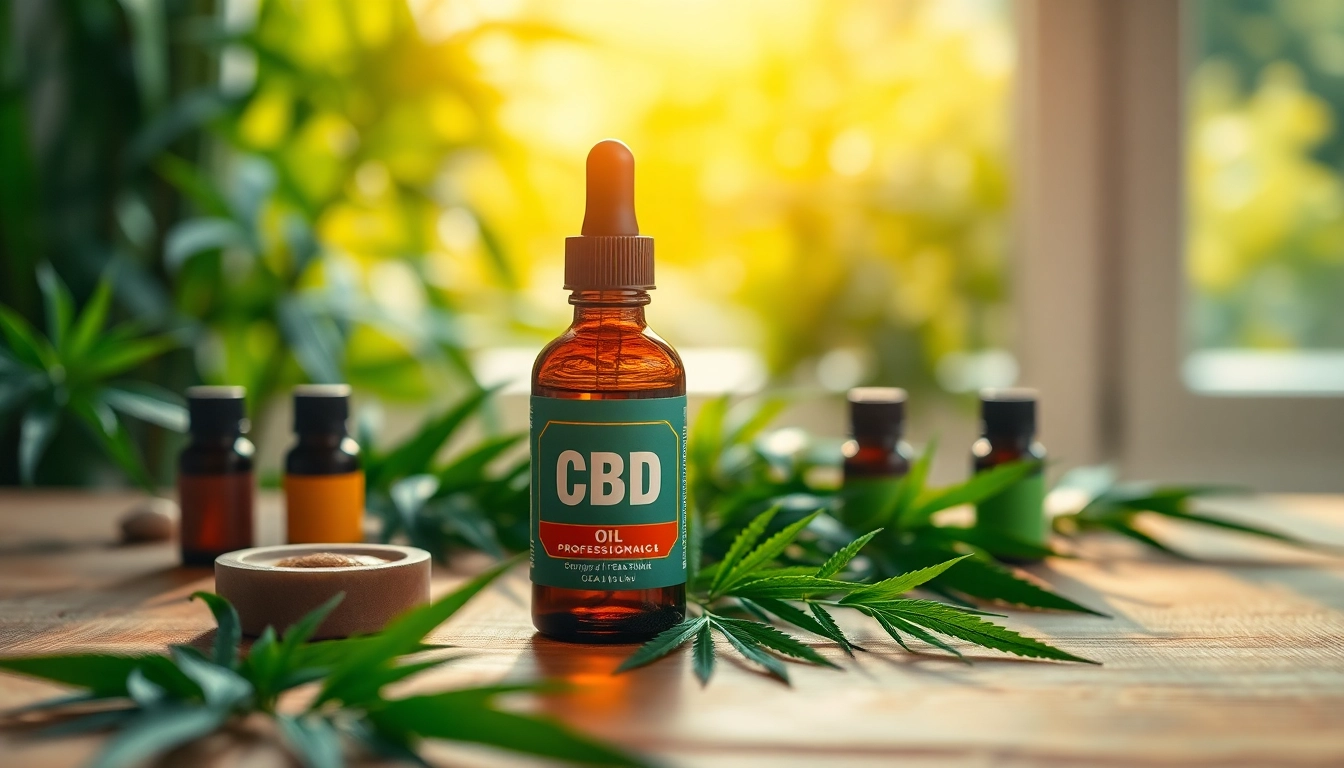
What is CBD Oil?
Definition and Origins of CBD Oil
Cannabidiol, commonly known as CBD, is a chemical compound derived from the cannabis plant. It is one of over 100 different cannabinoids found in cannabis, and it is particularly noted for its therapeutic potential without the psychoactive effects typically associated with another well-known cannabinoid, tetrahydrocannabinol (THC). CBD is primarily extracted from hemp—a variety of Cannabis sativa that has been cultivated for thousands of years for its fiber, seeds, and oil. Unlike THC, CBD does not produce a "high," making it an appealing option for those wary of the psychoactive effects of cannabis.
The origins of CBD oil can be traced back to traditional medicine practices, where cannabis extracts were used for their medicinal properties. In recent decades, scientific research has sought to understand the unique qualities of CBD, leading to its rise as a popular natural remedy for various health conditions. As the stigma around cannabis continues to fade, CBD oil has gained traction in wellness circles, praised for its potential benefits across a wide array of applications. As interest continues to grow, CBD Oil emerges as a key player in the broader conversation surrounding holistic health solutions.
Cannabis vs. Hemp: Key Differences
Understanding the distinction between cannabis and hemp is crucial when discussing CBD oil. Both plants belong to the Cannabis genus, but they have different legal classifications and uses. The primary difference lies in the concentration of THC. Hemp is defined as cannabis that contains 0.3% THC or less, making it compliant with various legal standards. Because of this low THC content, hemp is often used for industrial purposes as well as for producing CBD oil.
Cannabis, on the other hand, generally refers to plants that have higher levels of THC. These higher concentrations of THC can provide psychoactive effects, which is why they are often regulated under stricter laws. The medicinal and recreational uses of THC-rich cannabis are widely recognized, but the healing properties of hemp-derived CBD are making waves in the wellness industry, providing a legal alternative for individuals seeking the benefits of cannabis without the intoxicating effects of THC.
The Extraction Process of CBD Oil
The process of extracting CBD oil from the hemp plant is crucial in determining the quality and efficacy of the final product. Several methods are used to extract CBD, including CO2 extraction, solvent extraction, and oil infusion.
- CO2 Extraction: This advanced method involves using carbon dioxide under high pressure and low temperatures to extract CBD and other cannabinoids while preserving their beneficial properties. This process is considered the gold standard in the industry, as it yields a pure, high-quality oil.
- Solvent Extraction: Using alcohol or other solvents to extract CBD is another common method; however, it can result in a less pure product. Care must be taken to remove any trace of the solvent in the final product.
- Oil Infusion: This method involves infusing hemp flowers in carrier oils, like olive or coconut oil. Although this method is relatively simple and cost-effective, it may not extract as many cannabinoids as more advanced techniques.
Regardless of the method used, it is essential to choose products that disclose their extraction techniques transparently, as this can affect potency and quality.
Health Benefits of CBD Oil
Relief from Anxiety and Stress
Anxiety and stress are increasingly common issues in modern society, leading many individuals to seek natural alternatives for relief. Research suggests that CBD oil may help alleviate symptoms of anxiety by interacting with the body's endocannabinoid system, which plays a role in regulating mood and stress responses.
A number of studies have indicated that CBD can reduce anxiety in various scenarios, including during public speaking and in individuals with social anxiety disorder. This is primarily due to its ability to influence serotonin receptors in the brain, leading to improved mood regulation. While further research is needed to understand the specific mechanisms involved, the preliminary findings offer hope to those who experience chronic anxiety.
Support for Pain Management
Chronic pain affects millions, and traditional pain management methods often come with undesirable side effects. CBD oil has gained attention for its potential analgesic properties. Studies show that CBD may help reduce inflammation and pain through its interaction with the endocannabinoid system, which controls pain sensation.
In particular, CBD oil has been researched for its effectiveness in treating specific pain conditions, including arthritis, multiple sclerosis, and fibromyalgia. Patients have reported significant improvements in pain levels, leading to a better quality of life. While dosages may vary, many find that incorporating CBD oil into their daily routine enables them to manage their symptoms effectively and reduce reliance on pharmaceuticals.
Effects on Sleep Quality
Many people struggle with sleep disorders, whether due to stress, anxiety, or chronic pain. CBD oil may offer a natural solution for improving sleep quality. Research indicates that CBD can help individuals fall asleep faster and achieve deeper sleep by modulating the sleep cycle and addressing the root causes of insomnia.
Some studies have found that CBD decreases anxiety and pain, both of which are significant contributors to sleep disturbances. Furthermore, it is believed that CBD can influence the production of melatonin, the hormone responsible for regulating sleep-wake cycles. For those searching for a reliable alternative to over-the-counter sleep aids, CBD oil may be a valuable tool for achieving restorative rest.
Using CBD Oil Effectively
Dosage Guidelines for Beginners
Determining the right dose of CBD oil can be challenging, especially for newcomers. Factors such as body weight, metabolic rate, and individual health conditions all play a role in how CBD affects each person. It's generally recommended to start with a low dose and gradually increase it until the desired effects are achieved.
A common guideline for beginners is to start with a dose of 5-10 mg of CBD per day. This can be adjusted over time, increasing by small increments (1-5 mg) every few days until adequate relief is experienced. It is crucial to listen to your body and take note of any changes to understand your optimal dosage.
Methods of Consumption
CBD oil can be consumed in various ways, each with its unique benefits. The method of consumption can affect how quickly and intensively the body absorbs the compound.
- Sublingual Administration: Placing drops of CBD oil under the tongue allows for fast absorption directly into the bloodstream, resulting in quicker effects.
- Topical Application: CBD-infused creams, balms, and lotions can be applied directly to the skin, targeting localized pain and inflammation.
- Edibles: Capsules, gummies, and other food products offer a convenient and discreet way to consume CBD, although they may take longer to produce effects.
- Vaping: Inhaling CBD oil through a vaporizer allows for rapid absorption; however, it may not be suitable for everyone due to the potential respiratory impact.
Combining with Other Supplements
Many individuals find that combining CBD oil with other supplements enhances its effects. Some popular complementary supplements include magnesium, melatonin, and omega-3 fatty acids, each known for their individual benefits on sleep, relaxation, and inflammation.
However, it is essential to approach this combination cautiously. Always consult a healthcare professional before introducing new supplements to your routine, particularly if you are taking medications or have pre-existing health conditions. Monitoring your body's response will help you identify the most effective combination for achieving your health goals.
Potential Risks and Side Effects of CBD Oil
Common Adverse Reactions
Though CBD oil is well-tolerated by most individuals, some may experience mild side effects. These can include dry mouth, fatigue, changes in appetite, and diarrhea. Understanding these potential reactions will allow users to make informed decisions about their CBD use.
In rare cases, some individuals may experience more severe reactions, particularly if they are using high doses or taking CBD in conjunction with other medications. It's crucial to monitor your body's reaction, especially when starting with a new product, and to consult a healthcare provider if adverse effects occur.
Interactions with Other Medications
CBD oil can interact with various medications, specifically those that come with a grapefruit warning. This means that CBD could inhibit the enzymes responsible for metabolizing certain medications, resulting in elevated blood levels of these drugs. It's important to discuss your CBD use with a healthcare provider, especially if you are on prescription medication.
Common medications that may interact with CBD include blood thinners, anti-seizure drugs, and certain antidepressants. A healthcare professional will help determine the safest approach to incorporating CBD into your routine, considering your whole health landscape.
Regulatory and Safety Considerations
The regulatory landscape surrounding CBD oil is continuously evolving. As awareness of its potential benefits expands, so does interest from regulatory agencies. Consumers should always look for products that comply with local regulations and undergo third-party testing for quality assurance.
Since the market is flooded with various CBD products, it's vital to ensure you are purchasing from reputable sources. Look for transparent labeling, certifications, and third-party lab results that confirm the product's cannabinoid profile and absence of contaminants.
Choosing Quality CBD Oil Products
What to Look for in CBD Oil Labels
When selecting CBD oil, reading the labels carefully is essential. Look for information regarding the source of hemp, extraction methods, and cannabinoid content. Labels should also indicate whether the product is full-spectrum, broad-spectrum, or CBD isolate, as each type offers different benefits.
Full-spectrum extracts contain a variety of cannabinoids, including trace amounts of THC, while broad-spectrum includes multiple cannabinoids without THC. CBD isolate is pure CBD with no other compounds. Knowing which type aligns with your needs can help you make an informed decision.
Importance of Third-Party Testing
Third-party testing is a critical step in ensuring the safety and efficacy of CBD oil. Reliable brands will have their products tested by independent laboratories to confirm cannabinoid content and check for contaminants such as pesticides, heavy metals, and solvents.
When shopping for CBD oil, look for products with accessible lab results, allowing consumers to verify the quality and safety of what they are consuming. Transparency signifies a reputable manufacturer committed to quality assurance.
Reputable Sources for CBD Oil
Choosing where to purchase CBD oil is vital for ensuring you get a high-quality product. Look for brands that emphasize quality control, ethical sourcing of hemp, and have a positive reputation among consumers. Checking reviews and seeking recommendations can also help you identify reliable sources.
Online marketplaces offer convenience, but be cautious of purchasing from unfamiliar sources. Prioritizing established brands that adhere to industry standards can ensure a positive experience when using CBD oil. By educating yourself and taking the necessary precautions, you can confidently engage with CBD oil and experience its potential benefits.