
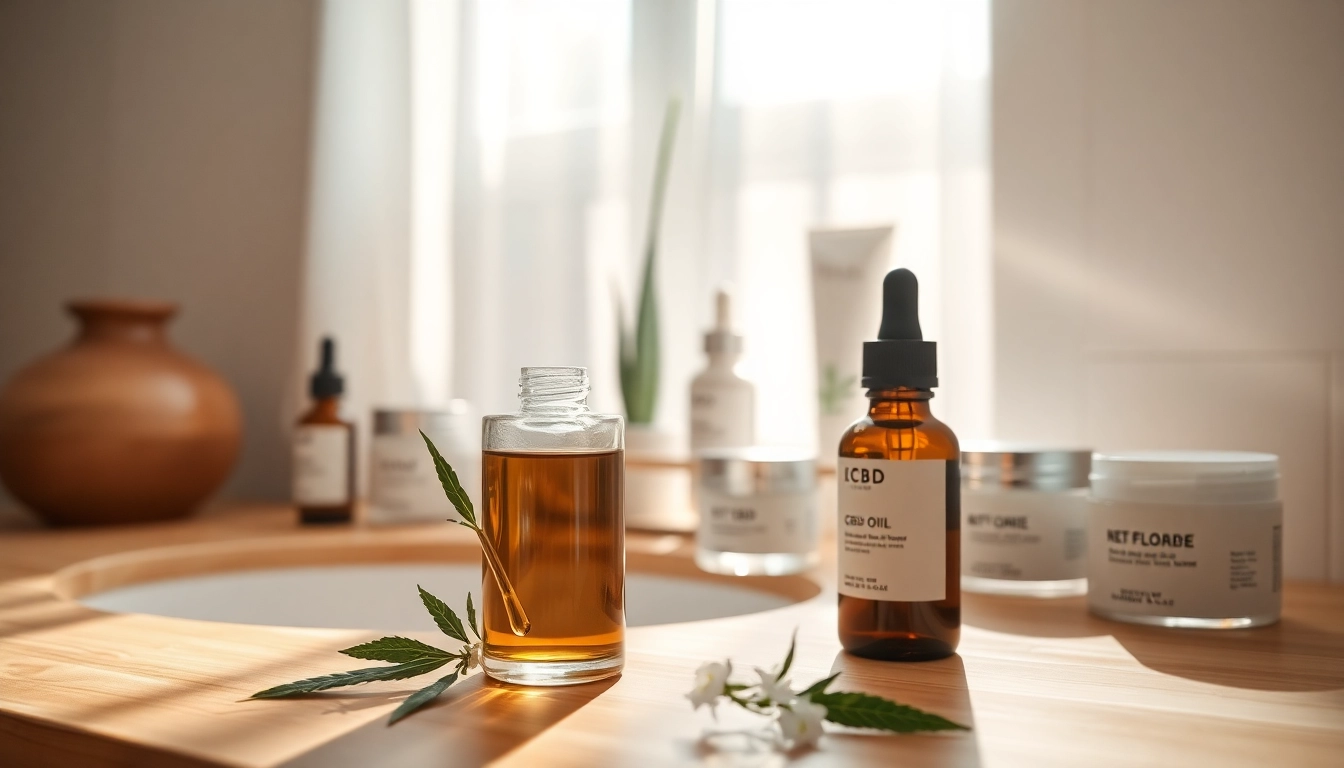
The Science Behind CBD Oil for Skin
Understanding Cannabidiol and Its Properties
Cannabidiol (CBD) is one of the many active compounds found in the cannabis plant. Unlike its well-known cousin, tetrahydrocannabinol (THC), CBD does not have psychoactive effects, meaning it does not induce a "high." Instead, CBD interacts with the endocannabinoid system (ECS) within the body, which plays a crucial role in regulating several functions, including skin health, pain perception, and immune response. The anti-inflammatory and antioxidant properties of CBD have attracted significant attention in the skincare industry, as these characteristics can potentially enhance the overall condition of the skin.
How CBD Oil Interacts with Skin Receptors
The skin has a variety of receptors (CB1 and CB2) that interact with cannabinoids. When applied topically, CBD oil is absorbed into the skin layers, where it binds to these receptors. This interaction can modulate various skin functions, including sebum production and inflammatory responses. Studies suggest that by influencing these receptors, CBD can help alleviate discomfort and restore balance to the skin, making it an exciting ingredient in the realm of skincare.
The Role of CBD in Skincare Formulations
CBD oil is increasingly incorporated into creams, serums, and lotions due to its therapeutic properties. Formulators value its potential to enhance product efficacy without harsh chemicals that can irritate sensitive skin. Beyond moisturizing, CBD oil can help improve the consistency and texture of skincare products, making them more appealing to consumers looking for natural and effective solutions. CBD oil for skin serves as a powerful ingredient that can complement other natural extracts, creating a harmonious blend that improves overall skin health.
Benefits of Using CBD Oil for Skin
Reducing Inflammation and Redness
One of the key benefits of CBD oil for skin is its ability to reduce inflammation. Research indicates that CBD can interact with inflammatory pathways in the skin, helping to mitigate conditions such as psoriasis and eczema. By calming inflammation, CBD not only alleviates discomfort but also promotes an even skin tone and texture. Users often report significant reductions in redness and irritation after incorporating CBD products into their daily routines.
Combating Acne and Oily Skin
Acne is a common skin condition affecting individuals worldwide, often exacerbated by excess oil production and inflammation. CBD has shown promise in regulating sebum production, making it a potential ally for those struggling with oily skin. Additionally, its antibacterial properties may help prevent the growth of acne-causing bacteria, making CBD oil a multifaceted approach to clearer skin. Users may notice a decrease in breakouts and an overall improvement in skin clarity through consistent use.
Moisturizing and Hydrating Properties
CBD oil is rich in fatty acids, including omega-3 and omega-6, which are beneficial for maintaining the skin's moisture barrier. Regular application of CBD-infused products can help hydrate dry skin, making it feel softer and more supple. Moreover, its ability to enhance moisture retention can prevent dry patches and flakiness, contributing to a more youthful appearance. Users seeking to improve their skin hydration levels may find that CBD oil can significantly enhance their routine.
How to Incorporate CBD Oil into Your Skincare Routine
Selecting the Right Products with CBD Oil
When selecting CBD products for skin care, look for those that specify the concentration of CBD and come from reputable manufacturers. Ensuring that products are third-party tested can help verify the purity and potency of CBD oil. Choose formulations without synthetic additives or harsh chemicals, opting instead for those featuring complementary natural ingredients like hyaluronic acid, glycerin, or botanical extracts that enhance the benefits of CBD.
Application Techniques for Maximum Efficacy
The way CBD oil is applied can significantly affect its effectiveness. Here are some application techniques to consider:
- Cleanse First: Begin with a clean face to allow for optimal absorption.
- Pat, Don’t Rub: Gently pat the product into the skin to promote absorption rather than rubbing it in, which could irritate the skin.
- Layering: Consider layering CBD products under your regular moisturizer for enhanced hydration and benefits.
Combining CBD Oil with Other Skincare Ingredients
CBD oil can be effectively combined with other beneficial skincare ingredients. For instance, pairing it with hyaluronic acid can enhance hydration, while mixing it with soothing agents such as aloe vera can amplify its anti-inflammatory properties. Be mindful to test combinations on a small skin patch before full application to ensure compatibility and avoid potential reactions.
Potential Side Effects and Considerations
Understanding Allergies and Skin Sensitivities
While generally considered safe, CBD oil can cause allergic reactions in some individuals. Symptoms may include itching, redness, or irritation at the application site. It is advisable to perform a patch test before using new products extensively. If any adverse reactions occur, discontinue use and consult a healthcare professional.
Research on the Safety of CBD Oil for Skin Use
Current research suggests that topical use of CBD oil is safe for most people and does not produce significant systemic absorption. However, few long-term studies specifically addressing the chronic use of CBD in skincare exist. It is crucial for consumers to stay informed as new studies emerge and to choose products from manufacturers committed to transparency and quality.
Consultation with Dermatologists: When to Seek Advice
Individuals with pre-existing skin conditions or concerns should consult with a dermatologist before incorporating CBD oil into their skincare routine. A skin professional can provide personalized advice based on a person’s skin type and health status, ensuring that the introduction of new products, including CBD oil, aligns with their overall skin care strategy.
Comparative Insights: CBD Oil vs. Traditional Skin Care Ingredients
Benefits of Natural vs. Synthetic Ingredients
With the rise of natural skincare, consumers are increasingly drawn to products containing natural ingredients like CBD oil over traditional synthetic alternatives. Natural ingredients are often less irritating and can offer multiple benefits, such as antioxidant properties and nourishment. In contrast, synthetic ingredients may lead to adverse reactions in sensitive skin types. Understanding the differences in ingredient profiles can help consumers make informed choices.
Consumer Preferences and Evolving Trends in Skincare
The shift towards more sustainable and natural skincare products reflects changing consumer preferences. Shoppers are prioritizing ingredients with proven benefits, like CBD, often looking for transparency regarding sourcing and formulation. The demand for ethical practices in the beauty industry is pushing brands to innovate responsibly, creating products that resonate with environmentally-conscious consumers.
Future of CBD Oil in the Skincare Industry
The future of CBD oil in skincare appears promising as ongoing research continues to highlight its potential benefits. As more consumers adopt natural skincare routines, CBD oil's multifaceted advantages are likely to solidify its place in the market. Continued collaboration between researchers and cosmetic formulators will likely yield innovative products that enhance the benefits of CBD in everyday skincare.